
Reading Settings
Top 10 Quaid-e-Azam Quotes in English
Reviewed by TSG Editorial Team
Our editorial team creates and reviews educational content for students.
Explore 10 famous Quaid-e-Azam quotes in English, each with a simple explanation to help students understand his words, ideas, and vision for Pakistan.
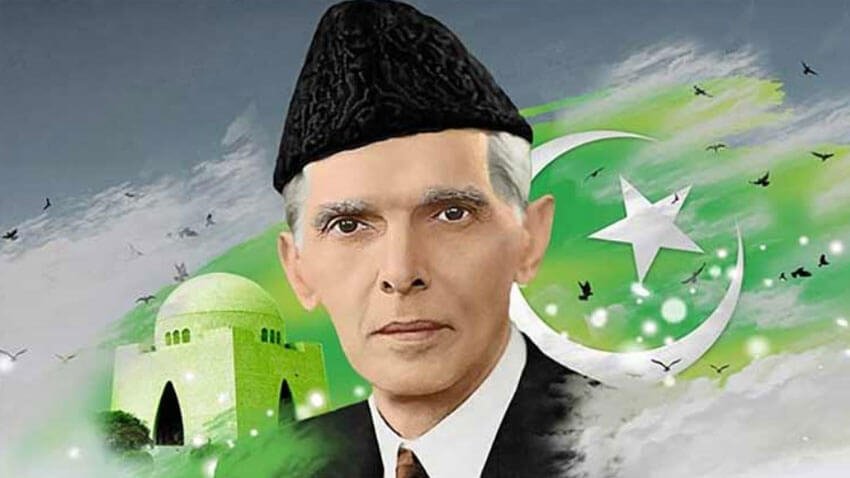
Quotes of Quaid-e-Azam
These quotes highlight Quaid-e-Azam’s views on hard work, discipline, unity, education, leadership, and the development of Pakistan.
“Work, work and work and we are bound to success.” — Quaid-e-Azam Muhammad Ali Jinnah
Explanation: Quaid-e-Azam emphasized the importance of hard work, dedication, and perseverance. He encouraged Pakistanis to take their responsibilities seriously and work sincerely to achieve their goals and contribute to the progress of the country.
“With faith, discipline and selfless devotion to duty, there is nothing worthwhile that you cannot achieve.” — Quaid-e-Azam Muhammad Ali Jinnah
Explanation: Quaid-e-Azam emphasized faith, discipline, and sincere dedication to one’s responsibilities. He believed that with these qualities, people can overcome challenges and achieve meaningful goals.
“Unity, Faith, Discipline.” — Quaid-e-Azam Muhammad Ali Jinnah
Explanation: These were the principles he gave to the new nation of Pakistan. These principles highlight the importance of staying united, having faith, and maintaining discipline. Quaid-e-Azam emphasized these qualities as important for the progress and strength of the nation.
“Think 100 times before you take a decision, but once that decision is taken, stand by it as one man.” — Quaid-e-Azam Muhammad Ali Jinnah
Explanation: Quaid-e-Azam taught us to think carefully before making an important decision rather than rushing into it. However, once a decision is made, we should remain firm, united, and committed to it.
“No nation can rise to the height of glory unless your women are side by side with you.” — Quaid-e-Azam Muhammad Ali Jinnah
Explanation: Quaid-e-Azam emphasized the important role of women in building a strong and successful nation. He believed that women should actively participate alongside men in the progress and development of the country.
“Expect the best, prepare for the worst.” — Quaid-e-Azam Muhammad Ali Jinnah
Explanation: Quaid-e-Azam believed that we should aim high and keep a positive mindset for success but build the mental strength to face failure or setbacks without losing hope.
“Failure is a word unknown to me.” — Quaid-e-Azam Muhammad Ali Jinnah
Explanation: This quote reflects Quaid-e-Azam’s determination, confidence, and refusal to give up when facing difficulties. It teaches us to remain committed to our goals and continue working hard even when challenges arise.
“You are free; you are free to go to your temples, you are free to go to your mosques.” — Quaid-e-Azam Muhammad Ali Jinnah
Explanation: Quaid-e-Azam emphasized religious freedom and equal rights for all citizens. He wanted Pakistan to be a country where people could freely practice their religion and where minorities were treated with respect and fairness.
“Our object should be peace within, and peace without.” — Quaid-e-Azam Muhammad Ali Jinnah
Explanation: Quaid-e-Azam emphasized the importance of peace both within the country and with other nations. He believed that Pakistan should maintain harmony among its people and seek peaceful relations with the rest of the world.
“Pakistan is proud of her youth, particularly the students, who are the nation builders of tomorrow.” — Quaid-e-Azam Muhammad Ali Jinnah
Explanation: Quaid-e-Azam believed that young people, especially students, have an important role in shaping the future of Pakistan. He encouraged students to gain knowledge, work hard, and prepare themselves to serve and develop the country.
Frequently Asked Questions About Quaid-e-Azam
Muhammad Ali Jinnah was given the title “Quaid-e-Azam”, meaning “Great Leader”, because of his tireless struggle and leadership in the movement for a separate Muslim homeland. His vision, courage, and constitutional struggle led to the creation of Pakistan, which is why the nation honors him with this title.
His full name was Muhammad Ali Jinnah. He was born on 25th December 1876 in Wazir Mansion, Karachi, and later became known across Pakistan as Quaid-e-Azam, or “Father of the Nation”.
Quaid-e-Azam led the All-India Muslim League and worked for decades to protect the political rights of Muslims in India. He presented the Fourteen Points in 1929, led the Lahore Resolution of 1940 demanding a separate homeland, and through peaceful constitutional struggle, achieved the independence of Pakistan on 14th August 1947. He then served as its first Governor-General.
Quaid-e-Azam Muhammad Ali Jinnah was born on 25th December 1876 in Karachi. He passed away on 11th September 1948, just over a year after Pakistan gained independence, but his vision continues to guide the nation.
Quaid-e-Azam gave three golden principles for the people of Pakistan to follow: Unity, Faith, and Discipline. He believed that if the nation held on to these principles, it could overcome any challenge and build a strong, prosperous country.
📚 Further Reading
Learn more about Quaid-e-Azam Muhammad Ali Jinnah through reliable historical sources.
Quaid-e-Azam’s 11 August 1947 Address – National Assembly of Pakistan
Looking for more resources on Quaid-e-Azam? Read our Essay on Quaid-e-Azam and Paragraphs on Quaid-e-Azam.
Last updated: August 2026